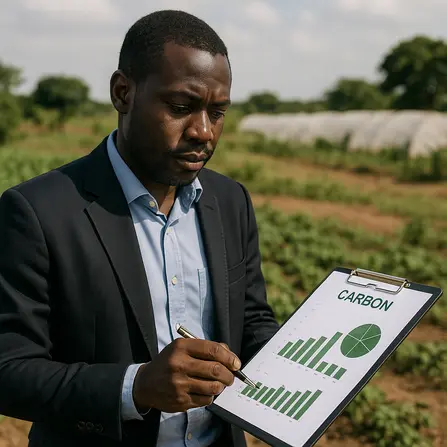





















































Across Africa, artificial intelligence is moving from pilot projects to operational systems that lower emissions, optimize scarce resources and unlock new circular-economy revenue streams. This article maps practical pathways—from energy and agriculture to services—showing how AI drives profitable sustainability at scale.
Foundations: definitions, origins and core principles
AI for sustainability combines machine learning, sensors, and analytics to reduce waste, improve resource use and measure environmental impact. Historically, Africa’s adoption accelerated after 2015 with expanding mobile coverage and local data initiatives. Core principles include data sovereignty, edge computing for low-bandwidth environments, and inclusive design that prioritizes local communities and ecosystems. Early adopters often pair AI with renewable energy and circular supply chains to create resilient, low-carbon business models. Learn how regional providers are adapting AI with localized solutions like AI agents Morocco.
Current trends & recent statistics (2025/2026)
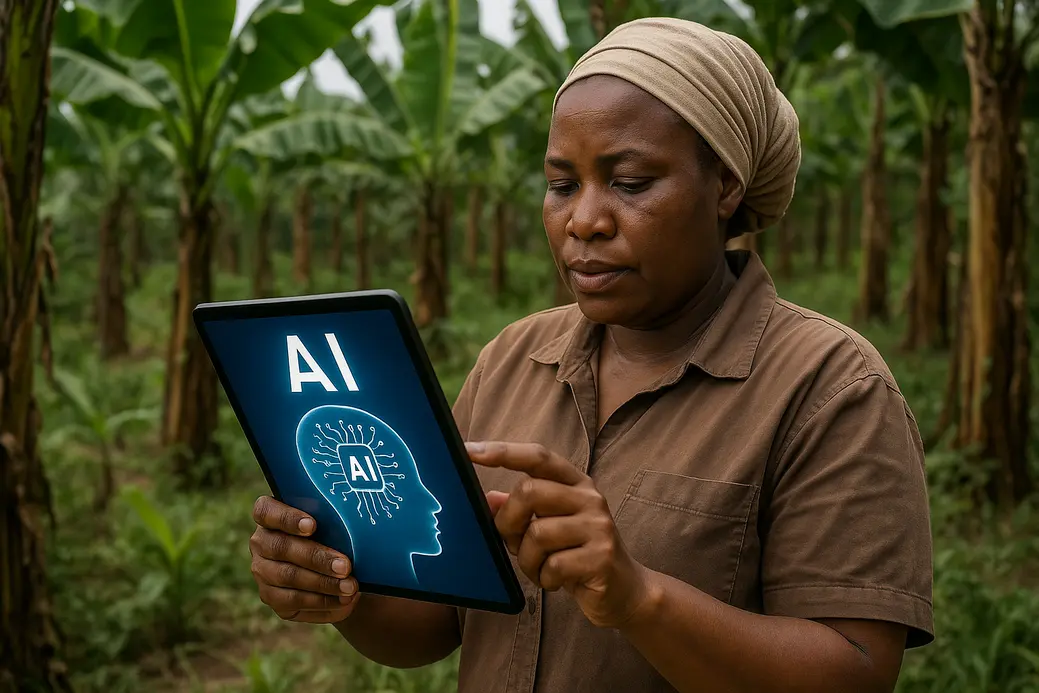
Trend 1 — AI-enabled precision agriculture (2025–2026)
Precision AI systems reduced input waste by up to 30% in pilot programs across East and West Africa in 2025, increasing yields while cutting water and fertiliser usage. Startups pairing satellite imagery with on-ground sensors scale faster when models run at the edge to avoid connectivity bottlenecks.
Trend 2 — Decentralized energy optimisation and microgrids
AI-driven grid management systems improved renewable utilisation rates by 18% in 2026 microgrid deployments. Localised predictive maintenance decreases downtime, enabling pay-as-you-go solar businesses to lower operating costs and carbon footprints.
How automation and localized AI platforms are scaling
Regional automation solutions
Automation tailored to city and regional needs is expanding. Platforms for operations and customer engagement—especially in Morocco and West Africa—are being deployed alongside enterprise tools such as automation & AI agents Marrakech & Casablanca, supporting both efficiency and sustainability targets.
Comparison of the main options / solutions
Choosing between cloud-first, edge-first and hybrid AI
Decision factors include connectivity, latency, data sovereignty and carbon intensity of cloud providers. Edge-first suits remote agriculture and microgrid contexts; cloud-first supports heavy model training; hybrid blends both for scalable, responsible AI-driven sustainability.
Detailed comparison table
Practical guide — three steps to deploy sustainable AI
Step 1 — Assess impact, data needs and local constraints
Map resource flows, energy sources, and connectivity. Prioritize measurable KPIs (water saved, emissions avoided). Choose data collection that respects privacy and reduces bias.
Step 2 — Choose architecture and partners
Select edge, cloud, or hybrid based on latency and sovereignty. Engage local integrators and service providers to ensure cultural fit and long-term maintenance, including content and comms via an AI content generation tool.
Step 3 — Pilot, measure, scale and finance
Run short pilots with clear success criteria, quantify social and environmental ROI, and structure blended finance (grants + revenue share) to scale sustainably.
Common mistakes and myths to debunk

Myth 1 — AI is too expensive for African SMEs
AI solutions can be modular and pay-as-you-go; many vendors now offer microservices and edge devices with low upfront costs. Leveraging open-source models and local hosting reduces fees and increases accessibility.
Myth 2 — AI always increases energy use
While model training can be energy-heavy, targeted AI can reduce overall system energy by optimising operations (e.g., smart lighting, predictive maintenance), often delivering net energy savings across operations.
Myth 3 — One-size-fits-all models work across regions
Models trained on non-local data frequently underperform. Local data, feedback loops and community participation are essential for accurate, equitable, and sustainable outcomes.
Best practices / Advanced strategies for sustainable AI
Design for resource efficiency and edge deployment
Prioritise lightweight models and intermittent-sync architectures. Compress models, implement quantisation, and use event-driven sensing to reduce compute and transmission energy in remote and low-bandwidth settings.
Adopt transparent impact measurement and reporting
Use standard metrics (GHG reductions, water savings, waste diverted) and publish dashboards for stakeholders. Regularly audit models for bias, drift, and unintended environmental impacts to maintain trust.
Leverage local ecosystems and capacity building
Partner with universities, SMEs and community groups to co-design solutions, train technicians, and create local maintenance networks that reduce dependency on distant vendors.
Blend business models to unlock finance
Combine subscription revenues with performance-based contracts (e.g., pay-per-tonne CO2 avoided) and donor grants. This reduces risk for SMEs while aligning incentives toward measurable sustainability outcomes. Work with a digital marketing consultant to communicate impact and attract investors.
Case study — Solar microgrid operator in West Africa
In 2025 a microgrid operator used AI to forecast consumption and schedule battery cycles, lowering diesel backup usage by 42% and extending battery life by 20%. The operator combined edge analytics with remote model updates and community training, delivering affordable power while reducing emissions and costs. The system paid back hardware costs within 2.5 years through efficiency gains and new revenue from productive-use appliances.
Real-world sustainability metrics table
Emerging horizons — what’s next for AI-driven sustainability in Africa
Expect more federated learning, standards for low-carbon model training, and AI-powered carbon markets tailored to African value chains. Cross-border data collaboratives will unlock continent-wide optimization while local governance frameworks ensure equitable benefits and data sovereignty.
In-depth Q&A for leaders and implementers
How can small businesses start with AI without big budgets?
Begin with clear KPIs, low-cost sensors, and cloud or managed microservices. Pilot narrowly, then scale. Use open-source stacks and local partners to reduce costs and risk.
Does AI require constant internet to be effective in rural areas?
No—edge models can run offline and synchronise updates intermittently. Hybrid architectures balance local inference with periodic cloud retraining.
How do we measure environmental impact accurately?
Use standardized KPIs (e.g., tCO2e, water saved), baseline measurements, and independent audits. Combine sensor data with modelled estimates for comprehensive reporting.
What are the main data governance risks?
Risks include data misuse, lack of consent, and cross-border transfers. Mitigate via local storage, transparent consent, and compliance with national frameworks.
Can AI solutions create local jobs, not replace them?
Yes—deployments often shift labor to higher-value roles (maintenance, analytics, customer engagement). Intentional workforce training preserves and grows jobs.
Which sectors are highest priority for sustainable AI now?
Agriculture, energy (microgrids), waste management, and water systems show the fastest ROI and greatest environmental benefits across African contexts.
Practical implementation checklist — quick actions to get started
- Map key environmental KPIs and baseline metrics for your operation (tCO2e, water, waste).
- Choose edge, cloud or hybrid architecture based on connectivity and sovereignty needs.
- Run a 3–6 month pilot with clear success criteria and community engagement.
- Select local partners for deployment, maintenance and capacity building.
- Adopt transparent reporting and third-party verification for impact claims.
- Design revenue models that blend grants, subscriptions and performance payments.